
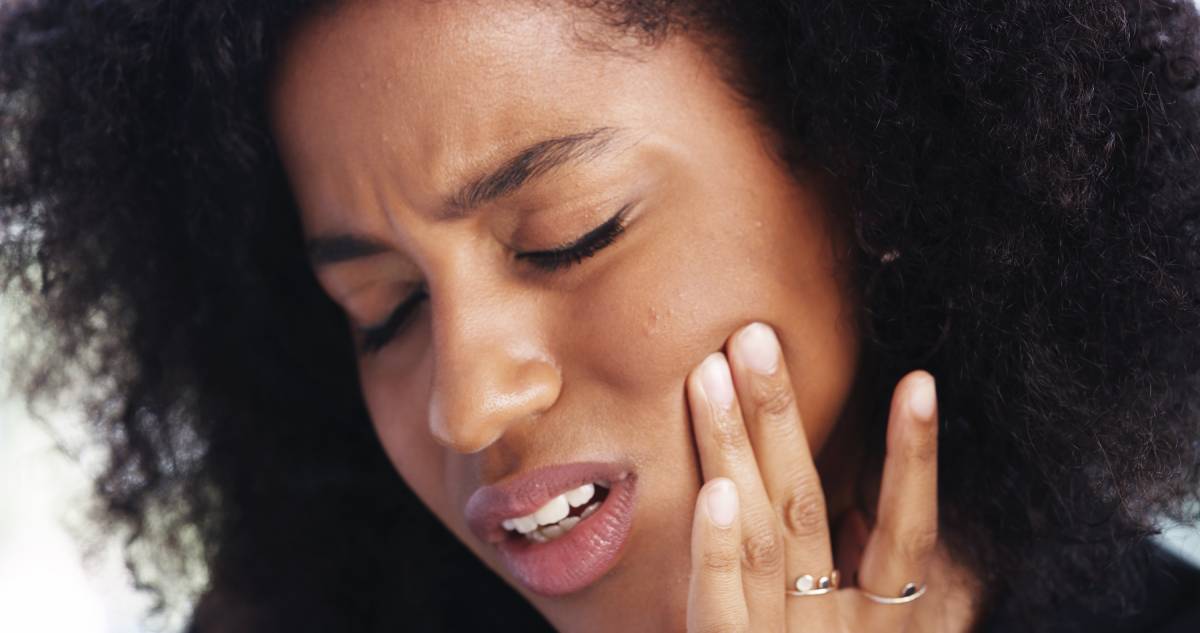
Unfortunately, TMJ disorder is a common issue for many adults. In this article, we discuss common symptoms of TMJ disorder and its treatment methods.
What Are Common Symptoms of TMJ Disorder?
The most common symptoms of TMJ disorder include:
- Tension or pain in the jaw and facial muscles, especially in the mornings
- Tenderness of pain when you touch or press the jaw muscles
- Headaches upon waking up (especially if located in the temple area)
- Neck and shoulder pains
- Earaches or ringing in the ears without signs of infection
- Signs of premature wear of teeth and dental restorations
- Clicking, popping, or grating sound when you open or close your mouth or chew food
- Pain in the jaw muscles when chewing or speaking
- Difficulty opening the mouth or inability to open the mouth wide
- Stiffness in the jaw
- Changes in the way your upper and lower teeth fit together
- Dizziness, numbness, or tingling in your fingers
The symptoms and their severity can vary from person to person. We recommend seeing a doctor even if you notice just one of the symptoms above.
What Is TMJ Disorder
TMJ stands for temporomandibular joint. It connects the jawbone to the skull. You have two such joints—one on each side of the jaw. A group of conditions affecting the temporomandibular joint and the chewing muscles can be referred to as TMJ disorder. Often, TMJ disorder occurs due to a combination of factors, for example, such as:
- Jaw or facial injury
- Improper bite or misaligned teeth
- Arthritis
- Jaw deformities
- Bruxism
- Parafunctional habits, such as chewing on objects
- Improper posture
- Some autoimmune diseases, especially those that affect bones and joints
- Some medication and hormone therapy
- Stress, anxiety, and depression
TMJ Disorder Treatment Methods
TMJ disorder treatment methods range from more conservative options, such as physical therapy, to more intrusive ones, such as surgery. Let us look at the most common treatment methods in more detail.
Dietary and Lifestyle Changes
One of the key objectives when treating TMJ disorder is to allow your joints, jaw, and chewing muscles to rest and relax. To do so, we recommend:
- Switching to a soft diet, which does not require a lot of chewing or biting
- Making sure that you sleep in a comfortable position, you can opt for an orthopedic mattress and pillow that will accommodate your anatomy.
- Avoiding excessive jaw movements and habits like chewing gum
Mouthguards
Wearing a mouthguard at night is a common recommendation when it comes to TMJ disorder treatment. A mouthguard limits jaw movement and prevents clenching and teeth grinding.
Counseling and Relaxation Techniques
Often, TMJ occurs due to bruxism (involuntary jaw clenching and teeth grinding) and constant tension in the jaw muscles. Bruxism and tension can occur due to stress, anxiety, or depression. Therefore, addressing these issues with a therapist and practicing relaxing techniques such as meditation, gentle stretches, yoga, and walks can significantly improve your condition, even if these methods do not seem to have a direct connection to TMJ disorder at first.
Physical Therapy
Physical therapy options can include:
- Professional massages
- Heat and cold therapy
- Ultrasound or electrical stimulation
- Postural and stability exercises
Medication
In some cases, anti-inflammatory medication and painkillers can be prescribed to reduce inflammation in the joint.
Surgery
Surgeries are typically recommended for severe cases of TMJ disorders that do not respond well to other methods of treatment.
Treat TMJ Disorder at Dentist Mission Viejo
If you notice signs of TMJ disorder, make an appointment with an experienced dentist at Dentist Mission Viejo as soon as possible. Remember that prompt treatment increases the chances of a positive outcome. We are looking forward to your visit.